

Bitcoin’s quantum problem is still years away, but Bernstein says 1.7 million BTC sitting in early address types could be among the most exposed if the technology ever gets there.
That includes an estimated 1.1 million BTC tied to Satoshi Nakamoto, which would matter only if quantum machines become strong enough to break today’s encryption.
Legacy Wallets In Focus
Bernstein’s view is not that Bitcoin faces a near-term collapse. The firm’s analysts describe the issue as a “manageable upgrade cycle,” not an “existential risk,” and say the danger is concentrated in older wallets and addresses that reuse public keys. Newer wallet practices, including avoiding address reuse, lower exposure.
The report also draws a line between wallet risk and mining risk. Bitcoin’s SHA-256 mining process is not seen as meaningfully vulnerable to quantum attacks , even if future machines become powerful enough to threaten some wallet signatures.
Bernstein said the most exposed address types include pay-to-public-key, pay-to-multisig and pay-to-Taproot formats.
CRYPTO: BERNSTEIN RESEARCH SAYS BITCOIN HAS 3-5 YEARS TO PREPARE FOR QUANTUM COMPUTING THREAT
Bernstein Research, the Societe Generale-owned brokerage, said quantum computing poses a credible but manageable threat to Bitcoin, estimating the industry has a three to five year… pic.twitter.com/6QFMObpXjn
— BSCN (@BSCNews) April 8, 2026
A Longer Timeline Than Panic
The firm pointed to recent research from Google as one reason the threat is being taken more seriously now. That work reduced the resources thought necessary to break modern encryption, but Bernstein still said building a machine capable of compromising Bitcoin remains years away because of major technical barriers and high costs.
Its estimate gives the crypto industry about three to five years to prepare for post-quantum security upgrades.
That timeline leaves room for the Bitcoin developer community to act through the normal upgrade process. Bernstein said open-source contributors and core developers would likely handle any move toward quantum-resistant standards, with changes proposed and adopted through consensus rather than by force.

The report also leans on a broader industry view. Quantum experts generally give a 10-year timeline for cryptographically relevant quantum computers, or machines able to break today’s encryption, according to Bernstein’s chart. That gap is part of why the firm argues the issue is real but not urgent enough to trigger panic.
What Bitcoin Faces FirstFor now, the pressure sits on old holdings, not the network as a whole. Bernstein said the risk is uneven, with older legacy wallets facing more exposure because public keys are already visible on-chain. By contrast, modern wallet use and better key practices reduce the chance of attack.
The rough number Bernstein cited — about 1.7 million BTC in early P2PK addresses — shows why the topic keeps returning. Those coins would not be the first target of any quantum attack, but they are the clearest example of what could be at stake if hardware advances faster than the network’s response. For now, Bernstein’s message is that Bitcoin has time, though not endless time, to prepare.
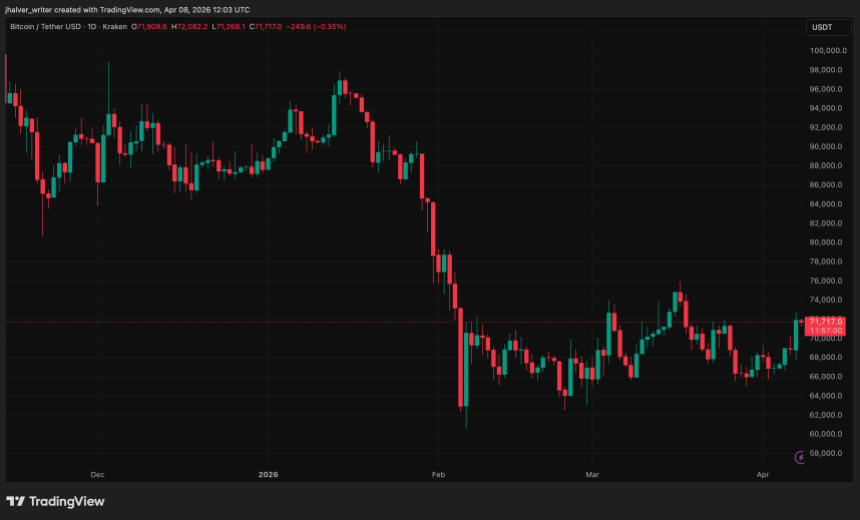
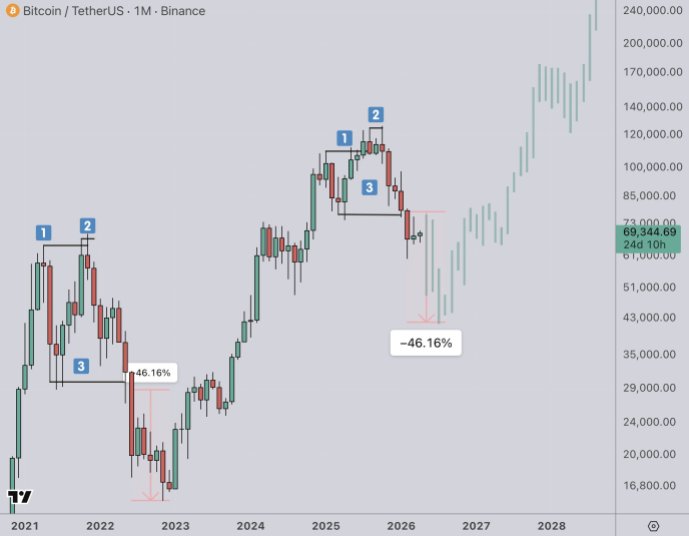
Featured image from Meta, chart from TradingView