

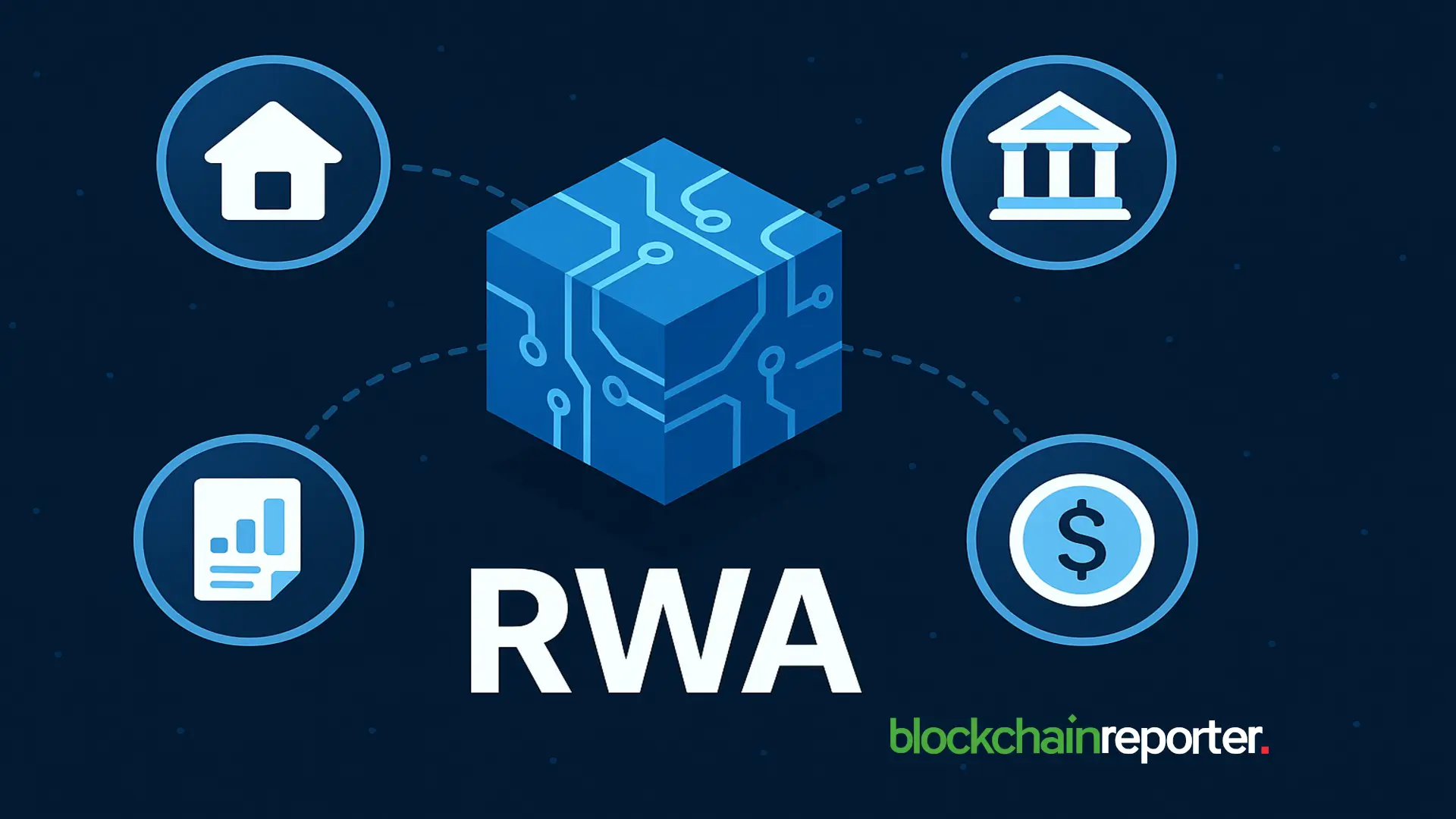
What started as a drive to put real estate, private credit, and bonds on-chain is no longer just about tokenization. A new report from Seoul-based Tiger Research argues that institutional engagement with real-world assets (RWAs) has entered a distinct second phase—one centered on rebuilding capital market infrastructure rather than simply digitizing assets. The shift, documented in the original report , moves the conversation from “can we tokenize this bond?” to “can the plumbing of global markets run on blockchain rails?”
The timing is not accidental. The tokenization market just crossed $20 billion in on-chain value, as highlighted in a recent weekly tokenization roundup that also captured Bullish’s $4.2 billion acquisition of financial infrastructure firm Equiniti and Ondo Finance’s first live settlement of tokenized Treasuries with JPMorgan. Those deals are symptoms of a broader trend. Institutional money is no longer experimenting at the edges. It is beginning to demand the settlement finality, counterparty transparency, and composability that blockchain-native infrastructure can provide—and that legacy systems were never designed to deliver.
The Infrastructure Layer Gets Rebuilt
Tiger Research frames the current moment as an infrastructure overhaul, not a derivative product expansion. Custody, collateral management, and clearing—long the domain of a handful of trusted intermediaries—are being redesigned around shared ledgers and smart contract logic. The report suggests that early RWA projects focused narrowly on creating asset wrappers. Now the emphasis has shifted to interbank settlement networks, on-chain repo agreements, and real-time collateral mobility that works across time zones without batching.
For market participants, the distinction matters. Tokenized assets that trade bilaterally and settle through off-chain trust may look like innovation, but they leave the core inefficiencies untouched. When custody providers, exchanges, and transfer agents run on synchronized infrastructure, the cost of reconciliation drops and capital efficiency improves. That is the difference between digitizing a product and modernizing the market structure that product sits inside.
Regulatory Uncertainty Runs Alongside the Buildout
The push to overhaul infrastructure also arrives as major financial legislation faces unexpected resistance in Washington. As banks try to kill the biggest crypto bill days before a Senate vote, the regulatory environment remains unpredictable. Any durable infrastructure buildout needs legal clarity on custody definitions, bankruptcy remoteness of on-chain assets, and cross-border enforceability. Those questions are not settled.
That uncertainty tempers the pace of institutional onboarding but does not appear to have stopped the engineering. Firms are building toward a regulatory framework they assume will eventually catch up, a pattern familiar to anyone who watched the early years of ETF approvals or swaps market reform. The Tiger Research report implies that the next wave of adoption will depend less on token prices and more on whether the legal layer hardens fast enough to support the settlement networks being assembled now.
What Signals to Watch Next
If the thesis holds, the next meaningful traction indicators will not be RWA total value locked, but the activation of live settlement legs between regulated financial institutions without manual intervention. Quiet production milestones—a pension fund moving intraday collateral on-chain, a custodian reconciling with a transfer agent automatically—carry more weight than large notional tokenization announcements that settle off-ledger.
Meanwhile, the underlying blockchains that underpin RWA markets continue to see concentrated developer activity, with Ethereum, BNB Chain, and Polygon leading the latest developer rankings . Sustained protocol-level work suggests the tooling layer is advancing even while the legal one catches up. Whether that tooling translates into the capital market overhaul Tiger Research describes will depend on coordinated moves from both builders and regulators, not on a single breakthrough product.